Writing
Technical articles on AI agent governance, site reliability engineering, cloud architecture, and running production systems.
-

The four steps that close three walls
Scope, Assign, Execute, and Verify turn the three multi-agent failure walls into a daily habit that needs no governance framework or CI pipeline.
-

ChatGPT, Claude and Gemini from Hong Kong: Singapore Setup
Build one Singapore identity for ChatGPT, Claude and Gemini from Hong Kong: BitBrowser signup, AI-only SOCKS5 routing, one card behind Google Pay.
-

The 638× Stat Is Not Page Latency
A 638× EFS stat and a 4× sweep mean less than they look. Here's what each benchmark measures, and how to size filesystem demand before choosing a tier.
-

Three walls every multi-agent setup hits
It looks overbuilt until you trace the commits: the failures weren't about agent count — they were about who owned each shared surface, and who could prove it.
-
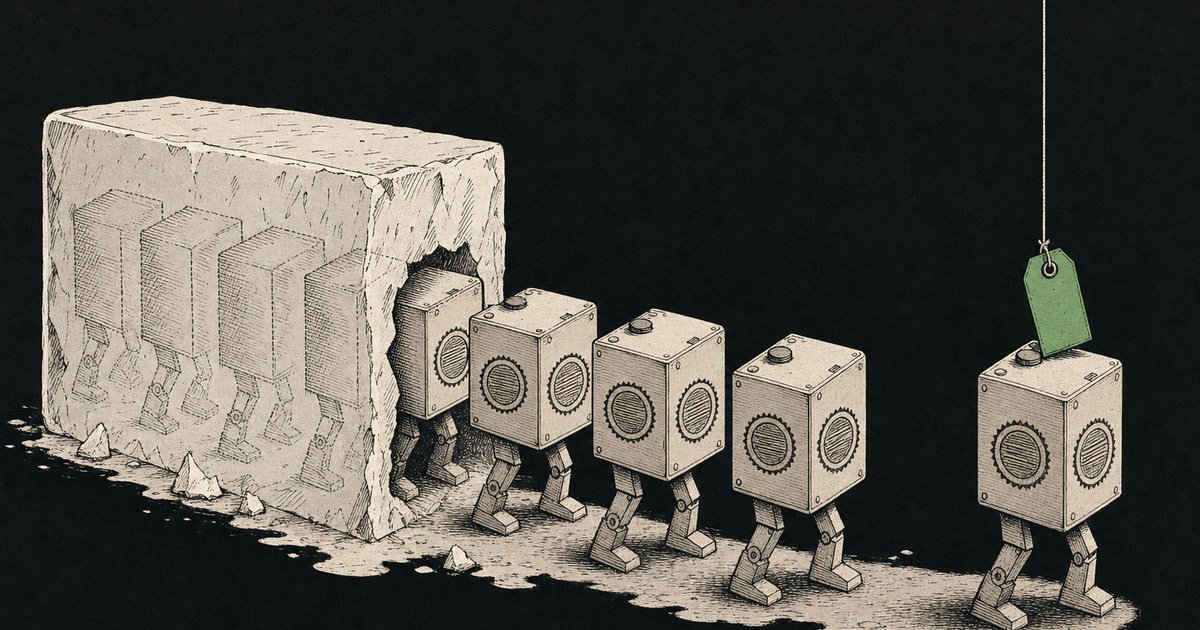
Fresh but not isolated: the MicroVM tradeoff in CI
AI sandbox escapes expose the flaw in container boundaries. Lambda MicroVMs isolate—but snapshot-restore silently breaks your CI freshness proof.
-
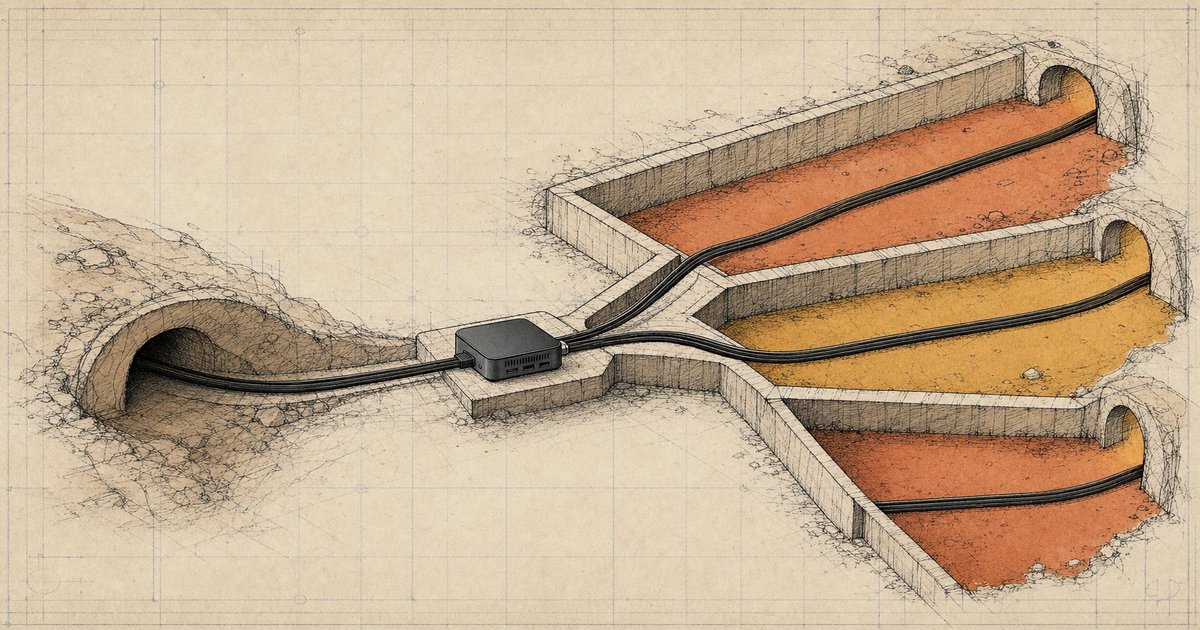
The Inversion of AI Tooling: From Access to Architecture
Access to AI tools is solved. Now the hard part: orchestrating three agents, three memories, and trust boundaries. Here's the stack that scales.
-

Agents Need Architecture, Not Prompts
AgentSession 2847 migrated protected state and marked its own work PASS. Five engineering decisions that keep agent autonomy inside operational boundaries.
-
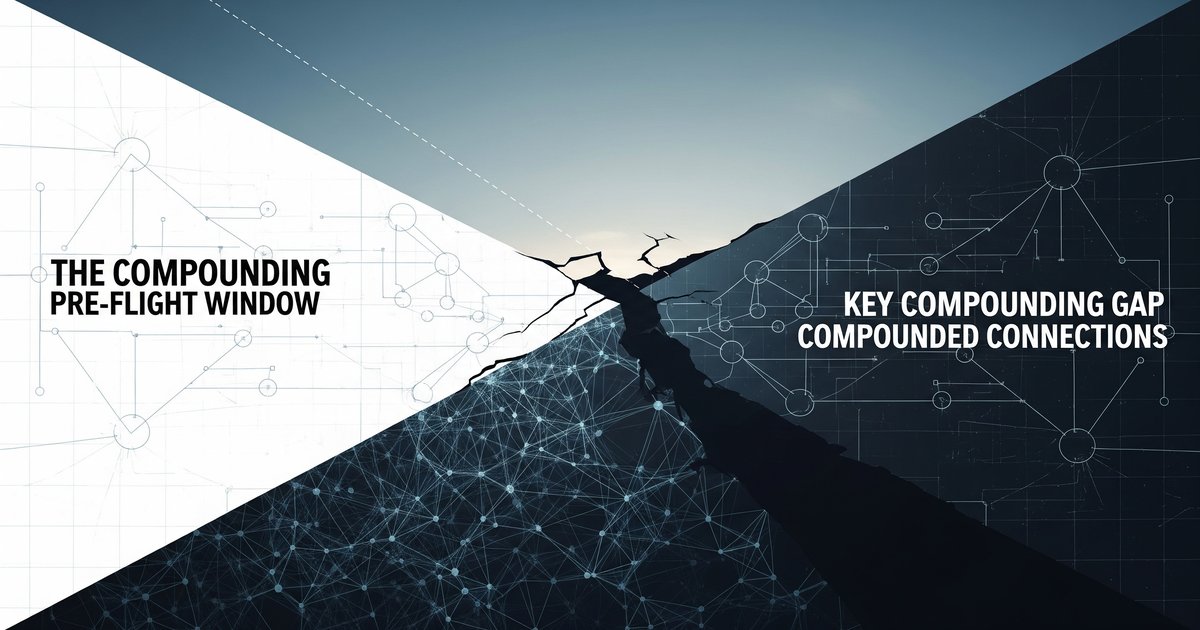
The Last Six Months Before AI Compounding Hardens
2026 H2 is the preflight window before AI adoption gaps start hardening into structural advantage. Here's how to know which side you're building toward.
-
Invisible Fences for Production AI Agents
As AI agents gain autonomy, traditional monitoring fails. Here's why infrastructure must shift from reactive alerts to preemptive constraint architectures.
-

OpenClaw: The AI That Lives in My House
What a self-hosted agent runtime is, how to get one running, and the one mistake almost everyone makes with model selection.
-

The Hong Kong AI Setup: Access, Payment, and the Tools I Actually Use
Three problems stand between Hong Kong and modern AI tools. Here is how I solved all of them.
-

When the Internet Stopped Being Human-Only
Autonomous agents, decentralised infrastructure, persistent digital worlds and local compute converged quietly. The internet found residents who never log out.
-
The four steps that close three walls
Scope, Assign, Execute, and Verify turn the three multi-agent failure walls into a daily habit that needs no governance framework or CI pipeline.
-
ChatGPT, Claude and Gemini from Hong Kong: Singapore Setup
Build one Singapore identity for ChatGPT, Claude and Gemini from Hong Kong: BitBrowser signup, AI-only SOCKS5 routing, one card behind Google Pay.
-
The 638× Stat Is Not Page Latency
A 638× EFS stat and a 4× sweep mean less than they look. Here's what each benchmark measures, and how to size filesystem demand before choosing a tier.
-
Three walls every multi-agent setup hits
It looks overbuilt until you trace the commits: the failures weren't about agent count — they were about who owned each shared surface, and who could prove it.
-
Fresh but not isolated: the MicroVM tradeoff in CI
AI sandbox escapes expose the flaw in container boundaries. Lambda MicroVMs isolate—but snapshot-restore silently breaks your CI freshness proof.
-
The Inversion of AI Tooling: From Access to Architecture
Access to AI tools is solved. Now the hard part: orchestrating three agents, three memories, and trust boundaries. Here's the stack that scales.
-
Agents Need Architecture, Not Prompts
AgentSession 2847 migrated protected state and marked its own work PASS. Five engineering decisions that keep agent autonomy inside operational boundaries.
-
The Last Six Months Before AI Compounding Hardens
2026 H2 is the preflight window before AI adoption gaps start hardening into structural advantage. Here's how to know which side you're building toward.
-
Invisible Fences for Production AI Agents
As AI agents gain autonomy, traditional monitoring fails. Here's why infrastructure must shift from reactive alerts to preemptive constraint architectures.
-
OpenClaw: The AI That Lives in My House
What a self-hosted agent runtime is, how to get one running, and the one mistake almost everyone makes with model selection.
-
The Hong Kong AI Setup: Access, Payment, and the Tools I Actually Use
Three problems stand between Hong Kong and modern AI tools. Here is how I solved all of them.
-
When the Internet Stopped Being Human-Only
Autonomous agents, decentralised infrastructure, persistent digital worlds and local compute converged quietly. The internet found residents who never log out.